Breaking a bone disrupts more than just your schedule—it tests your patience, limits your freedom, and forces you to navigate weeks of recovery with a bulky, itchy barrier between you and normal life. Traditional plaster and fiberglass casts have served their purpose for decades, but they come with real trade-offs: no showers, constant discomfort, and a one-size-fits-all approach that rarely fits anyone well. That’s where Cast21 changes the equation.
This waterproof, breathable cast alternative is built for people who refuse to put their lives on hold, offering quick application and genuine comfort without sacrificing healing. This guide walks you through cast types, daily care strategies, and recovery tips to help you heal faster and smarter.
Sommaire
ToggleIntroduction to Arm Casts
An arm cast is a rigid device designed to keep bones and soft tissues stable after a fracture, bad sprain, or surgery. By holding everything in place, an arm cast protects the area from further harm and gives bones time to heal in the right position. Whether it’s a simple wrist fracture or a more complex break, arm casts play a really important role in orthopedic care, helping patients get back to their normal routines as soon as possible.
- Broken bones in the arm (humerus, radius, ulna): These fractures often require full immobilization to prevent movement that could displace the bone ends, leading to improper healing or prolonged recovery. Doctors choose arm casts here because they provide consistent support across the joint, reducing pain and promoting alignment; for instance, forearm fractures in the distal third benefit from casts that extend just to the elbow or beyond, depending on stability needs. This approach minimizes complications like malunion, where bones heal crookedly, allowing patients to regain strength faster post-removal.
- Wrist fractures like distal radius or scaphoid breaks: Distal radius fractures, common in falls, demand precise positioning to avoid wrist stiffness, which affects daily tasks like gripping objects. Casts immobilize the wrist joint effectively, with research showing short arm casts stabilize these as well as longer versions in children, enabling earlier finger movement. Patients experience less daily disruption, such as missing school, because shorter casts allow shoulder use while still securing the fracture site securely.
- Elbow injuries that need immobilization: Elbow fractures or post-surgical cases require casts that extend from fingers to upper arm to control rotation, preventing re-injury during healing. Long arm casts excel here by locking the elbow joint, which is really important for stability in complex breaks; studies confirm they match short casts in safety without raising risks like compartment syndrome. This full-length support ensures blood flow remains optimal, reducing swelling and supporting quicker return to arm function.
- Significant soft tissue injuries and after certain surgeries: Ligament tears or dislocations alongside fractures need casts to limit stress on healing tissues, promoting scar formation without excess motion. Post-op casts like those for wrist sprains maintain surgical alignment, with breathable options reducing infection risk from trapped moisture. For example, athletes recover better with casts allowing hygiene, cutting downtime and emotional strain during extended wear.
Traditionally, plaster and fiberglass have been the go-to materials for arm casts. But as anyone who’s ever worn one knows, these can be bulky, itchy, and limit your daily routine, especially when it comes to bathing. In 2026, more people are turning to innovative options like Cast21. This new generation of arm cast offers a waterproof, breathable, and more personalized experience, making the healing process less of a hassle and more about getting back to living.
Types of Arm Casts: Traditional vs. Modern Alternatives
-
Plaster Casts:
Plaster casts have been around for generations thanks to their ability to mold closely to the arm and offer strong immobilization. The downside? They’re heavy, can’t get wet, and start to fall apart if exposed to moisture. Many patients find them hot, itchy, and uncomfortable, plus showers become a real challenge. Their conforming nature suits unstable fractures by creating a tight fit that holds position during early swelling, but weight often leads to fatigue and skin pressure sores over weeks.
-
Fiberglass Casts:
Fiberglass casts are a lighter, more colorful step up from plaster. They’re tougher and a bit less bulky, but most aren’t fully waterproof or breathable. Even with water-resistant liners, sweat and moisture can build up, leaving skin irritated and sometimes smelly. They also aren’t great for custom fits, so comfort can still be an issue; however, techniques like bivalving reduce pressure, making them safer for pediatric distal forearm fractures where short versions match long ones in stability.
-
Cast21: A Modern Solution
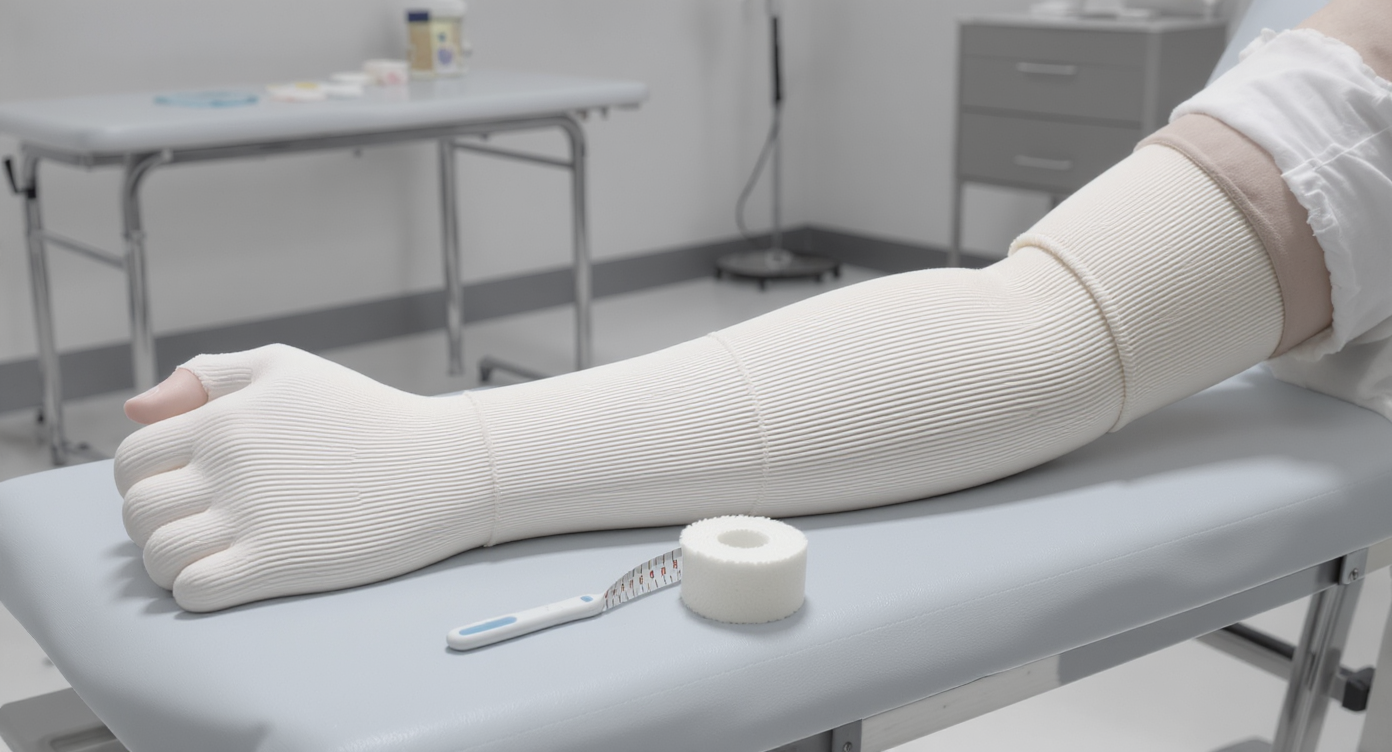
Cast21 is changing what it means to wear an arm cast. This FDA-listed option is completely waterproof and breathable, so you can shower, bathe, or even swim without worrying about damage or skin problems. The application is quick, done in under three minutes with three easy steps: slide the sleeve into position, fill with fast-curing resin, and let it harden, no messy plaster involved. The open lattice design keeps air moving, reducing irritation, sweating, or odor, while its lightweight, tailored fit goes unnoticed. As Mackenzie put it, “I hopped right in the shower without even thinking twice. Amazing!” Real-world use, like a young patient switching from fiberglass for a water park trip, shows it stays cleaner, fits clothes better, and lets caregivers visually check skin health easily.
- Waterproof for showers, baths, and pool time: Unlike traditional casts, this feature prevents breakdown from moisture, allowing normal hygiene routines that boost mental well-being during recovery; patients like Hayden swam freely without covers, avoiding the hassle of plastic bags.
- Lightweight and breathable, so your skin stays healthier: Airflow through the lattice cuts sweat buildup, a common irritant in solid casts, lowering infection risks and keeping skin rash-free as seen in clinical switches from fiberglass.
- Custom fit for different arm shapes and sizes: Tailored sleeves adapt to individual anatomy, improving comfort over rigid fiberglass and supporting better compliance, especially for active kids or adults.
- Applied fast and clean, with minimal clinic time: Three-minute process reduces patient stress and clinic backlog, ideal for busy families; resin hardens quickly for immediate protection without wet mess.
Customer Perspective: Patients who’ve worn Cast21 often talk about how it lets them stay active, keeps their skin in good shape, and makes the whole recovery process less stressful. Lynne shared, “No itch, no sweat. I forgot I was wearing it.” -
Custom and Pediatric Arm Casts:
Kids and adults looking for a more personalized touch can opt for custom arm casts. Pediatric versions come in bright colors and fun designs, helping younger patients feel more comfortable and even excited to show off their cast. Custom options improve emotional comfort and adherence; studies on short arm fiberglass casts in children aged 4-16 show they disrupt school less while stabilizing distal forearm fractures as well as long casts, with fewer complications like neurovascular issues.
Short vs. Long Arm Casts: Matching Stability to Your Fracture
Beyond materials, arm cast length plays a key role in effective treatment, especially for forearm fractures. Clinical trials confirm short arm fiberglass casts stabilize displaced distal third forearm fractures in children as effectively as long arm casts, with no added risks of reduction loss or surgery needs. This choice depends on fracture location: short casts suffice for wrist-end breaks, freeing elbow motion for daily tasks, while long casts secure higher fractures.
To better understand this concept, watch this demonstration below.
Related video: Watch a sugar tong splint casting! #armcast #healthcareprofessionals #healthcaretips
- Short Arm Casts for Distal Fractures: These extend from hand to below the elbow, ideal for distal radius or ulna breaks common in kids’ falls. A multicenter trial of 120 children aged 4-16 found short casts match long ones in preventing fracture shift post-reduction, allowing more arm use and less school absence; bivalving techniques further ease pressure, minimizing soft-tissue injury. Parents appreciate the lighter feel, which supports active play without compromising healing over 6 weeks.
- Long Arm Casts for Proximal or Unstable Fractures: Reaching from hand past the elbow to upper arm, they control forearm rotation vital for mid-shaft humerus or elbow-adjacent breaks. Research on 113 patients showed equivalent 8-month outcomes to short casts but with fuller immobilization, preventing re-displacement in unstable cases under sedation-reduced positions. This setup ensures safety for complex injuries, though it limits shoulder work more than shorter options.
- Choosing Based on Age and Activity: Pediatrics favor short casts for compliance, as trials report no compartment syndrome differences and better daily function; adults with similar distal breaks may opt for them too, enhanced by breathable modern liners like Cast21. Always follow provider guidance post-x-ray to balance stability and mobility, reducing Generally recovery disruptions.
| Cast Type | Best For | Stability Outcome | Patient Benefits |
|---|---|---|---|
| Short Arm | Distal forearm fractures | Comparable to long arm (trials: no reduction loss) | More movement, less school miss |
| Long Arm | Proximal/unstable fractures | Full rotation control | Safer for complex cases |
How to Care for an Arm Cast
-
Daily Cast Care Tips:
- Keep your cast clean and dry unless it’s a true waterproof design: Moisture breaks down plaster or fosters bacteria in fiberglass, risking infection or weakening structure; daily visual checks catch early issues. For Cast21, rinse freely post-activity to maintain hygiene without worry.
- Check your cast daily for cracks, soft spots, or rough edges: These signal wear that rubs skin raw or compromises hold, potentially delaying healing; smooth edges with provider help. Breathable designs like Cast21 allow skin inspection through lattice, spotting problems sooner.
- Never stick anything inside your cast to scratch an itch: Objects introduce debris or tear skin, leading to abscesses needing cast removal; use external cooling instead. This preserves the sterile environment essential for bone union over 4-8 weeks.
-
Bathing and Hygiene:
- With plaster or non-waterproof fiberglass casts, cover them with a plastic bag or use a cast protector: Secure seals prevent water ingress that softens material, but bags slip easily during showers; dry immediately after. Contrast this with Cast21, where patients shower independently, staying cleaner as in cases of wrist-fractured kids at water parks.
- If you have a waterproof cast like Cast21, just step into the shower or pool: Lattice resin holds up fully submerged, preventing the dirt buildup of fiberglass; Angelica reported, “It didn’t need a saw to be removed and my skin wasn’t all gross or smelly.” Visual skin checks through mesh ensure no hidden rashes.
-
Managing Discomfort and Itchiness:
- If you feel itchy, try cool air from a hair dryer along the edge (never inside): This dries sweat without breaking skin barrier, easing 80% of cases per clinical notes; elevate simultaneously for swelling. Breathable Cast21 minimizes itch origin by circulating air naturally.
- Keep your arm elevated, especially for the first few days: Gravity drains fluid, cutting pressure pain that peaks early; prop on pillows above heart level 3-4 times daily. Pairs well with lightweight casts for sustained comfort.
- If pain or discomfort doesn’t get better, talk to your healthcare provider: Persistent issues may indicate tight fit or circulation problems needing adjustment; early intervention prevents escalation. Modern quick-apply casts reduce initial positioning discomfort.
-
When to Contact Your Healthcare Provider:
- Severe pain that doesn’t go away with medication: Signals possible pressure buildup or nerve pinch, requiring urgent loosening like bivalving; don’t wait as it risks tissue damage.
- Numbness or tingling in your fingers: Indicates compromised circulation or nerve compression from swelling, needing immediate cast modification; trials show this rare but serious in all cast types.
- Bad smells, drainage, or changes in your skin around the cast: Points to infection under trapped moisture, treatable with antibiotics if caught early; breathable options lower this risk significantly.
- Any cracking or softening of the cast itself: Compromises stability, risking fracture shift; replace promptly to maintain alignment during critical healing weeks.
Recovery and What to Expect
-
Typical Healing Timeline:
For most people, an arm fracture heals in 4 to 8 weeks. The exact time depends on your age, health, and the severity of the break. Your doctor may schedule checkups and x-rays to keep an eye on your healing and make sure the bones stay in place. Iris shared, “I was hesitant at first, but the xrays showed nothing moved. I healed perfectly.” Pediatric trials extend monitoring to 6 weeks for distal fractures, confirming stability without interventions Basically or long casts.
-
Maintaining Mobility and Comfort:
- Move your fingers and shoulder gently, as your doctor recommends: This boosts circulation, preventing clots and joint contractures that stiffen post-cast; wiggle hourly for 10 reps. Short casts enable more shoulder freedom from day one.
- Keep your arm propped up to cut down on swelling and soreness: Elevation 30-45 degrees reduces fluid accumulation by 50% in first days, easing cast tightness. Lightweight options like Cast21 make propping effortless.
- With a breathable, modern arm cast like Cast21, stick to your normal hygiene routine: Avoids skin breakdown from sweat, supporting comfort through full timeline; patients report forgetting it’s there.
-
Returning to Activities and Sports:
- Always check with your doctor before jumping back into sports or heavy activity: X-rays confirm union before load-bearing, preventing re-fracture; phased return starts with therapy. Waterproof casts aid gradual water-based rehab safely.
- Waterproof, flexible casts make it easier to ease back into daily life and light exercise: Supports emotional recovery by maintaining routines, as seen in active kids post-wrist break. Builds confidence for full sports clearance at 8+ weeks.
Potential Complications and When to Seek Help
-
Common Complications:
- Skin irritation, sores, or ulcers from pressure or trapped moisture: Builds in non-breathable casts, eroding skin over weeks; daily checks and elevation prevent most. Lattice designs like Cast21 allow airflow, slashing incidence.
- Swelling that affects circulation: Peaks days 1-3, tightening cast; bivalve if needed to relieve without losing hold. Short casts in trials showed no added vascular risks.
- Serious issues like compartment syndrome, which can limit blood flow and needs urgent care: Rare but demands fasciotomy if pressure surges; pediatric studies report zero cases across cast lengths with proper monitoring.
-
Warning Signs to Watch For:
- Pain that gets worse or doesn’t respond to medication: Beyond normal ache, suggests rising compartment pressure; act within hours.
- Loss of feeling or movement in your fingers: Nerve compromise from swelling, reversible if addressed fast; test grip strength daily.
- Fingers that turn blue, pale, or cold: Vascular emergency, call 911; elevation helps temporarily.
- Any bad odors or drainage from the cast: Infection marker, needs antibiotics and possible recast.
-
How Modern Casts Help Reduce Risks:
With Cast21’s open, breathable design, air can flow around your skin, which helps prevent moisture buildup and irritation. The fast, three-minute application means less time spent in awkward or painful positions. As Dr. Matt puts it, “It’s easier to use and my patients actually ask for this more often than anything else.” Visual skin monitoring through mesh catches issues early, unlike opaque fiberglass.
FAQs About Arm Casts
-
Can I Get My Arm Cast Wet?
If you have a waterproof cast like Cast21, you’re good to go, showering, bathing, and even swimming are all on the table. Traditional plaster or standard fiberglass casts need to stay dry to avoid problems; use covers for protection.
-
How Can I Relieve Itching Under My Cast?
Don’t stick anything under the cast. Try using cool air from a hair dryer along the edge. If itching is severe or won’t go away, reach out to your healthcare provider; breathable options prevent most cases.
-
Are There Custom or Colorful Cast Options?
Absolutely. Many clinics offer different colors and designs, especially for kids. Custom-fit casts are also available, making it easier for everyone to stay comfortable and stick to their recovery plan; short pediatric versions boost compliance.
-
What Activities Should I Avoid?
Skip sports, heavy lifting, or anything that could put your arm at risk until your doctor gives the all-clear. Follow their advice based on your specific injury and stage of healing; gentle finger moves are often okay early.
-
Short or Long Arm Cast: Which for My Child’s Forearm Fracture?
For distal third breaks, short arm fiberglass casts work as well as long ones per randomized trials, with similar stability and no extra complications. Discuss with your doctor for personalized fit based on x-rays and activity level.
Choosing the Right Arm Cast for Your Needs
Finding the right arm cast can make all the difference in your recovery, whether you’re a busy professional, a parent managing a child’s injury, or an athlete eager to get back in the game. Today’s choices go far beyond the old plaster and fiberglass options. Modern solutions like Cast21 combine waterproof protection, lightweight comfort, and breathability, letting patients stay clean and active. As Iris discovered, the ease of application and removal meant less hassle and a perfect healing outcome. Clinics appreciate the fast application, and insurance reimbursement is often favorable, as John noted.
Talk to your healthcare provider about which arm cast will fit your injury, your lifestyle, and your daily needs, considering length like short vs. long for optimal stability. With innovative, patient-friendly choices now available, you can look forward to a smoother, more comfortable recovery and get back to the things you love with confidence in 2026.