
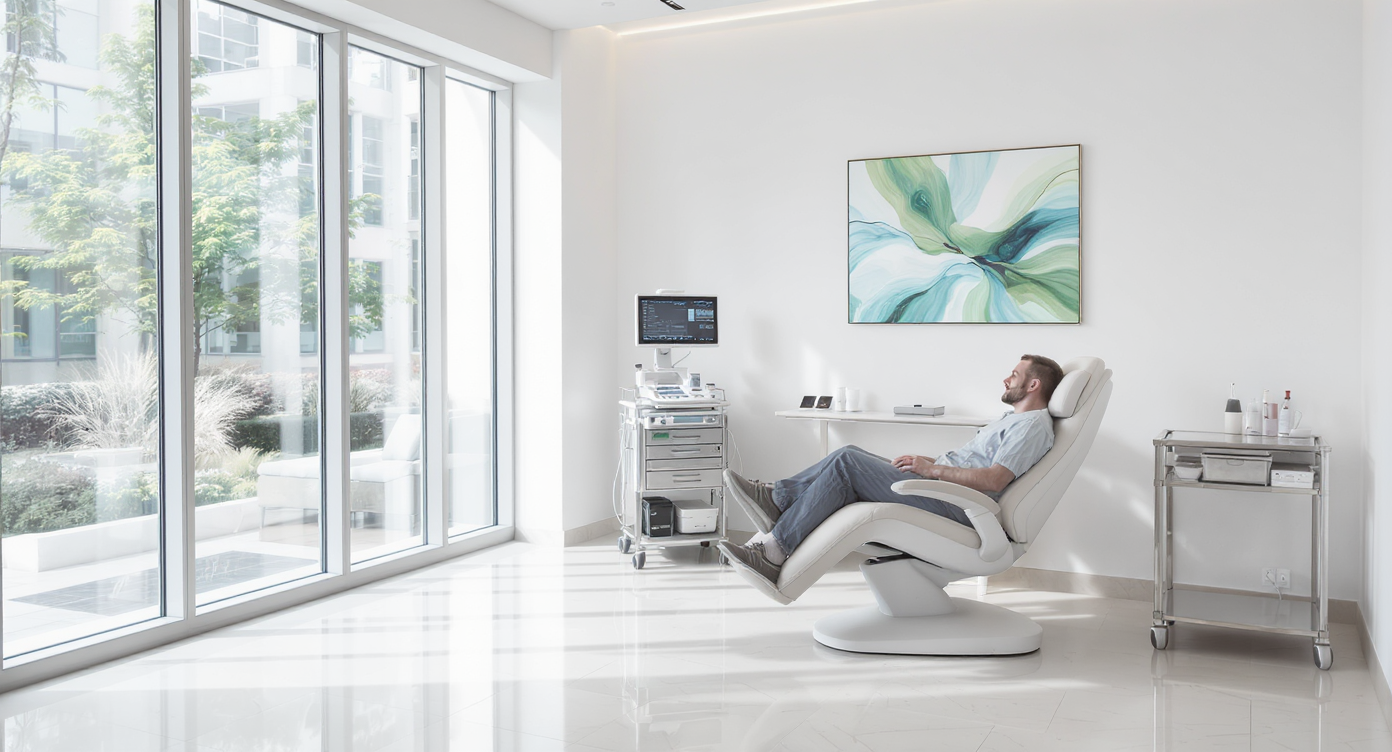
Chronic disease doesn’t respond to cookie-cutter protocols. When patients cycle through treatments that address symptoms but miss the underlying drivers, clinicians are left managing flare-ups instead of reversing trajectories. The Institute for Differential Medicine is changing that equation by helping healthcare professionals integrate high-resolution biomedical data into a truly holistic framework.
By layering multi-omics data with systemic health insights, this approach equips physicians to see the full picture and intervene at root causes. This guide walks you through how differential medicine reshapes chronic care delivery, offering a roadmap to precision, durability, and measurably better outcomes for the patients who need it most.
Medical clinics are at the heart of healthcare, serving as the first port of call for everything from routine check-ups to the complex management of chronic diseases. Lately, the buzz around integrating differential medicine into these settings has been growing louder. This innovative approach, which leverages the rich tapestry of high-resolution biomedical data, is setting a new benchmark for personalized, precision care. Let’s dive into how medical clinics are making this leap and what it means for chronic care management.
Sommaire
ToggleThe Role of Medical Clinics in Chronic Disease Management
Consider this: medical clinics that once followed a textbook approach for treating chronic diseases are now embracing a more nuanced, individualized strategy. This paradigm shift towards integrating advanced biomedical data means treatments can now be custom-tailored to address the unique genetic makeup and health profile of each patient. It’s a game-changer because it zeroes in on the specific biomarkers and genetic markers that influence disease progression.
Take, for instance, a clinic in California that’s combining genetic testing with detailed patient histories to concoct personalized diabetes management plans. This strategy has not only slashed disease complications but also significantly boosted patients’ quality of life. It’s clear that leveraging biomedical data isn’t just about refining treatment effectiveness; it’s also about empowering patients to play an active role in their health journey. Clinics like Main Street Medical Clinic report treating patients with an average of 8-10 chronic conditions simultaneously, such as diabetes, hypertension, heart disease, and COPD, highlighting the everyday complexity that differential medicine addresses head-on.
Innovative Approaches: Differential Medicine
Enter differential medicine, the superhero in the fight against chronic diseases. This approach doesn’t just skim the surface by treating symptoms; it dives deep to understand the root causes of diseases. It’s like having a health detective that uses multi-omics data—think genomics, proteomics, and metabolomics—to craft interventions that are as unique as the patient themselves.
Case Study: Successful Application of Differential Medicine
Here’s a real-life success story: a Boston medical clinic used differential medicine to tackle rheumatoid arthritis head-on. By analyzing multi-omics data, they pinpointed specific inflammatory markers unique to each patient. The result? Personalized treatment plans that drastically reduced flare-ups and significantly enhanced patients’ quality of life. Stories like these underscore the transformative potential of differential medicine in chronic care, offering a beacon of hope for patients who’ve had little success with conventional treatments.
Related video: Transforming Health Through Chronic Care Management
Comparative Analysis: Traditional vs. Differential Medicine
Where traditional medicine often relies on a one-size-fits-all approach, differential medicine brings a tailored experience, weaving together insights from various biological layers to customize treatments. This meticulous approach not only elevates healthcare efficiency but also leads to better patient outcomes.
Patient Outcomes: A Comparative Study
Consider the evidence: patients receiving care under the differential medicine model have fewer hospital visits and exhibit better management of their chronic conditions. A New York clinic reported a 30% improvement in managing symptoms of chronic heart failure compared to standard care. This isn’t just a win for effectiveness; it’s a testament to the sustainable, long-term benefits of differential medicine across a broad spectrum of chronic conditions, not just the rare or unusual ones. Medicare’s Chronic Care Management (CCM) services, billable under the Physician Fee Schedule, support patients with two or more chronic conditions expected to last at least 12 months, demonstrating how structured, data-informed care reduces risks of death, exacerbation, or functional decline.
Integrating Biomedical Data in Medical Clinics
The heartbeat of differential medicine lies in the seamless integration of high-resolution biomedical data. This treasure trove of information sheds light on the intricate biological processes involved in chronic diseases, paving the way for interventions that hit the mark with precision.
Clinics tapping into this goldmine, especially those employing AI-augmented pattern recognition, are seeing remarkable improvements. They’re able to catch diseases in their nascent stages, setting the stage for preventative strategies that can significantly alter the course of a patient’s health. It’s a clear indicator of how data-driven approaches not only enhance diagnostic accuracy but align treatments more closely with individual patient needs.
Building Comprehensive Care Plans with The Institute for Differential Medicine
Transitioning from data integration to actionable strategies, The Institute for Differential Medicine empowers clinics to develop comprehensive care plans that go beyond standard protocols. These plans, aligned with CMS guidelines for complex conditions, incorporate thorough physical exams, systematic differential diagnoses, and ongoing revisions to address evolving needs. For patients with infection-associated chronic conditions or ambiguous diagnoses like myalgic encephalomyelitis/chronic fatigue syndrome, this structured yet holistic framework ensures coordinated interventions that improve quality of life.
Key Elements of Effective Care Plans
- Problem List and Measurable Goals: Start by cataloging all chronic conditions, such as diabetes and hypertension co-occurring with heart disease, then set specific, trackable outcomes like stabilized blood pressure or reduced A1C levels. This approach, central to CCM services, clarifies priorities and measures progress monthly, preventing overlooked interactions between multiple medications that could lead to adverse effects. Clinics using this method report patients regaining control over daily activities, as seen in programs where regular assessments cut complication rates.
- Interdisciplinary Coordination and Symptom Management: Involve pharmacists, nutritionists, and specialists in a team effort to manage symptoms and environmental factors, ensuring seamless handoffs that address psychosocial needs alongside physical ones. Why it works: patients with multiple chronic conditions often face fragmented care, but this coordination builds trust and aligns on shared goals, reducing hospital readmissions. For example, Miriam Medical Clinic’s model includes telehealth check-ins tailored to conditions like arthritis or asthma, fostering adherence through personalized lifestyle adjustments.
- Periodic Review and Caregiver Assessment: Schedule routine evaluations to revise plans based on new biomedical data, while assessing caregivers to prevent burnout and enhance support networks. This sustains long-term success by adapting to changes like disease progression or new biomarkers, directly tying into differential medicine’s root-cause focus. Real-world application in rural Connected Care programs shows higher engagement and better chronic disease control in underserved areas.
- Integration with External Resources: Link patients to community services and technology for home monitoring, extending clinic reach beyond visits. This empowers self-management, really important for conditions like COPD or dementia, where early detection via remote tools averts crises. Health Recovery Solutions highlights how such tech lowers costs while elevating care outside traditional settings.
Expanding Access: Mobile Clinics and Practice Redesign
As clinics evolve, innovative delivery models like mobile medical clinics complement stationary practices by bringing differential medicine to vulnerable populations. Post-Affordable Care Act data shows these units excel in chronic disease management for underserved groups, reducing emergency room visits and hospital stays through evidence-based interventions. The Institute for Differential Medicine supports this expansion by training providers in practice redesign, incorporating explicit protocols and team reorganization to meet chronic illness demands effectively.
Strategies for Practice Transformation
- Explicit Plans and Protocols: Shift from reactive, patient-specific thinking to population-based protocols that standardize evidence-based care for common chronic clusters like heart disease and hyperlipidemia. This redesign, drawn from successful European and U.S. models, ensures consistency while allowing personalization via biomedical data, leading to fewer errors in polypharmacy scenarios affecting 8-10 conditions per patient.
- Team Reorganization and Task Allocation: Add specialized roles like case managers to primary care teams, enhancing access to ancillary services without full specialization. How it helps: it bridges gaps in busy clinics, as in miniclinic models that periodically focus on chronic cohorts, improving outcomes for diabetes or vascular disease through multidisciplinary input.
- Patient Education and Self-Monitoring: Embed education on symptom tracking and decision-making into care plans, leveraging apps for real-time data feedback. This fosters autonomy, critical for long-term management, and aligns with CCM’s monthly monitoring requirements, yielding ROI through avoided acute events.
| Aspect | Traditional Care | Differential Medicine + CCM |
|---|---|---|
| Patient Eligibility | General population | 2+ chronic conditions lasting 12+ months, high-risk |
| Focus | Symptom treatment | Root causes via multi-omics + comprehensive plans |
| Outcomes | Frequent flare-ups, more visits | Reduced hospitalizations, better QoL |
As we look to the future, it’s evident that medical clinics adopting differential medicine are not just changing the narrative for chronic care; they’re setting a new standard. This forward-thinking methodology promises treatments that are not only more attuned to the individual but also more effective and efficient. For healthcare professionals and physicians, exploring the integration of differential medicine into their practice isn’t just an option; it’s a pathway to revolutionizing chronic care management and achieving unparalleled patient outcomes, with The Institute for Differential Medicine leading the way.